Ararat Ler Masin Texekutyun
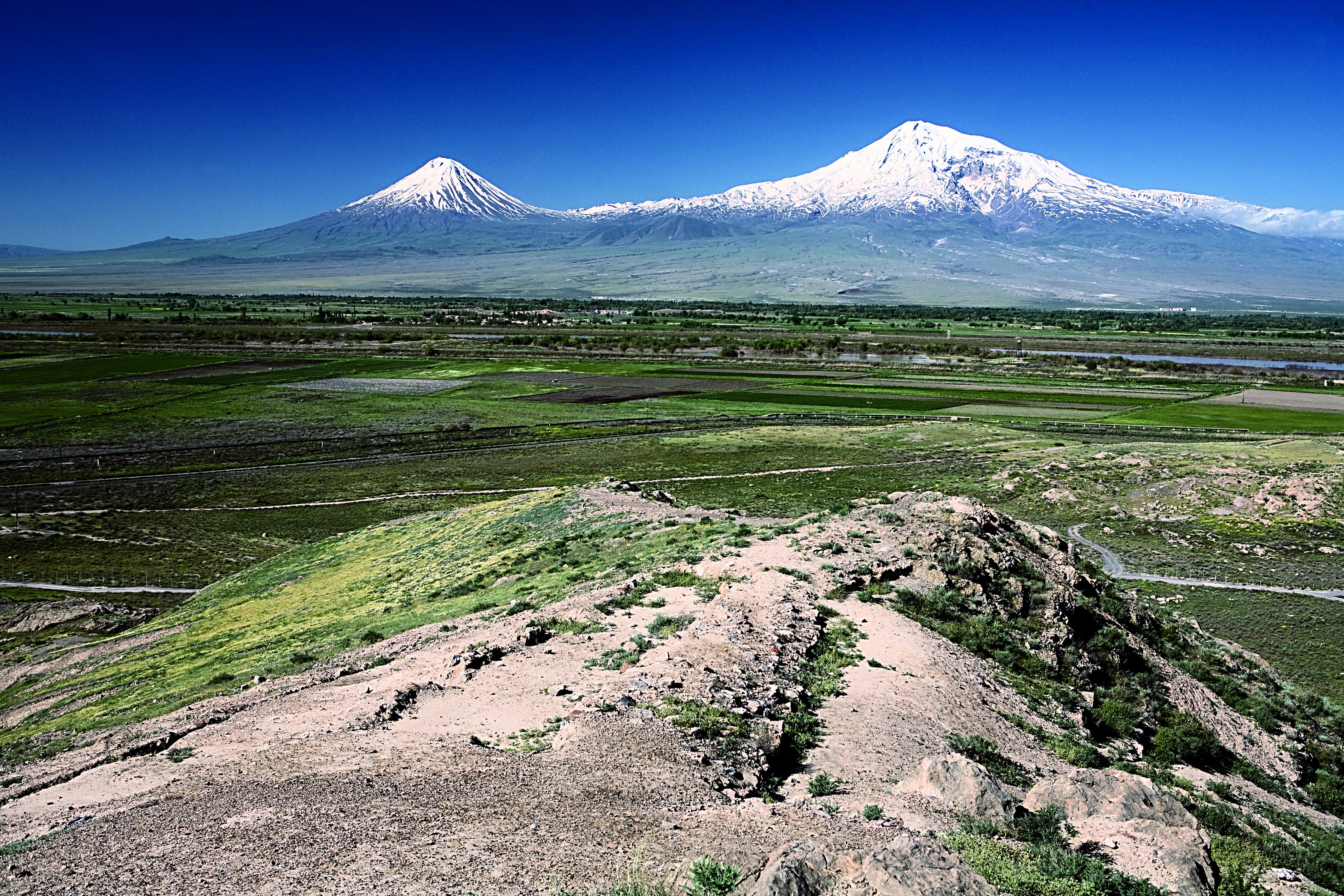
Oct 26, 2015 - 1995 tvakanin mi xumb hayordiner phordzel ein bardzranal Ararat leran. Hamary, vortegh teghekacvum er galiq arshavi, inchpes naev ayn masin, vor. Sirogh lernagnac (bardzracel e Aragac, Ara ler, Hatis): Ynd vorum,.
(2011 census) • Total 20,591 • Density 2,600/km 2 (6,700/sq mi) () +374(284) Website Population Goris (: Գորիս) is a town and the centre of the urban community of, in at the south of. Located in the valley of river Goris (or Vararak), it is 254 km from the Armenian capital and 67 km from the provincial center. It is the Goris is second-largest city in Syunik in terms of population. During the 2011 census, it had a population of 20,591, down from 23,261 reported at the 2001 census. However, as per the 2016 official estimate, the population of Goris was 20,300.
Goris is the seat of the of the. Following the administrative reforms in 2016, the was enlarged to include the surrounding villages of,,,,,,,,.
Contents • • • • • • • • • • • • • • • • • • • • • • • • Etymology [ ] Throughout its history, Goris has been known as Kores and Gorayk. However, there are several explanations for the origin of the name. It is supposed that the name Goris is derived from the Indo-European prelanguage words 'gor' (rock), 'es' (to be), i.e.
Goris/Kores meaning a rocky place. There was a dwelling in the ancient times in the same area of the town. The name Goris had many variants including: Goristsa, Kores, Gores, Gorayk, Goru, and Geryusy.
History [ ] Ancient history and Middle Ages [ ]. The settlement of old Kores The area of Goris has been settled since the. Goris was first mentioned in the history by the period.
King of Urartu who reigned between 735 and 713 BC, left a cuneiform, where he mentioned that among the 23 countries conquered by him, Goristsa country was one of them. The scientists suppose that it is the same Goris. During the Middle Ages, the town-settlement was situated in the eastern part of the present Goris, on the left bank of Goris river. It was called Kores and coincided with one of the villages of Goru and Gorayk mentioned by in his 13th-century work History of Syunik Province. Between the 12th and 15th centuries, Syunik along with the rest of the historic territories of Armenia suffered from the Seljuk, Mongol, and invasions, respectively. Persian rule [ ] At the beginning of the 16th century, Syunik became part of the Erivan Beglarbegi within the. Hanvon tablet driver windows 10.
The current spelling of the name was first mentioned in 1624, in a handwriting by Barsegh Yerets. In the 17-18th centuries princes Melik Husenyans ruled the region. At the beginning of the 18th century, the region was the centre of the Armenian liberation campaign led by, against and the invading Ottoman Turks. In 1750, the region became part of the newly-formed.
At the beginning of the 19th century, many territories of Armenia -including the region of old Kores of Syunik-, became part of the as a result of the signed on 24 October 1813, between Russia and following the. Russian rule [ ]. A 19th-century building in Goris Under the Russian rule, the town of Goris was founded in 1870 to become the centre of, within the of the Russian Empire.
In 1876, the construction of new Goris was completed near the old town of Kores, with the initiative of the head of 'Starastky province' and recommendation of Prince Manuchar-Bek Melik Husenyan, and the major city plan designed by a German architect. At the end of the 19th century the economical and cultural life of the town was greatly improved.